Feature
Turtles & the Table — A Cultural History of Suppon
The hot pot called 'maru,' a Meiji-era aquaculture venture, and the Atlantic turtle soup craze. The other long relationship between humans and turtles.
The pot called 'maru'
In Kyoto's culinary world, the softshell turtle goes by a code name: maru, 'the round one.' Suppon hot pot is maru-nabe, and restaurants said to date back to the Edo period still serve it, finished with rice porridge in the amber broth — a Kyoto winter institution.
Mocked in the proverb 'the moon and the suppon,' the softshell turned out to be no less a star than the moon — at least at the table.
An old, old appetite
Softshell turtle bones surface in archaeological sites across Japan — this appetite is ancient. By the Edo period suppon was established as a restorative delicacy.
The intriguing part: while turtles in general were revered as symbols of ten-thousand-year luck, the suppon alone was assigned to the kitchen. Its soft shell — lacking the auspicious kikkō pattern — may have drawn that line.
A Meiji-era aquaculture venture
Modern suppon cuisine runs on farming. Japanese softshell aquaculture is traced to the Meiji era, when Kurajirō Hattori began raising turtles near Lake Hamana; warm regions like Shizuoka and Ōita remain famous for it today.
Farming was also a quiet conservation milestone: a century-old venture that ended up shielding wild softshells from the pot.
Turtle tables around the world
China's guilinggao — 'turtle jelly' — is a traditional medicinal dessert made by simmering turtle shell. The golden coin turtles once used for it have been hunted to the brink, and substitutes are now common.
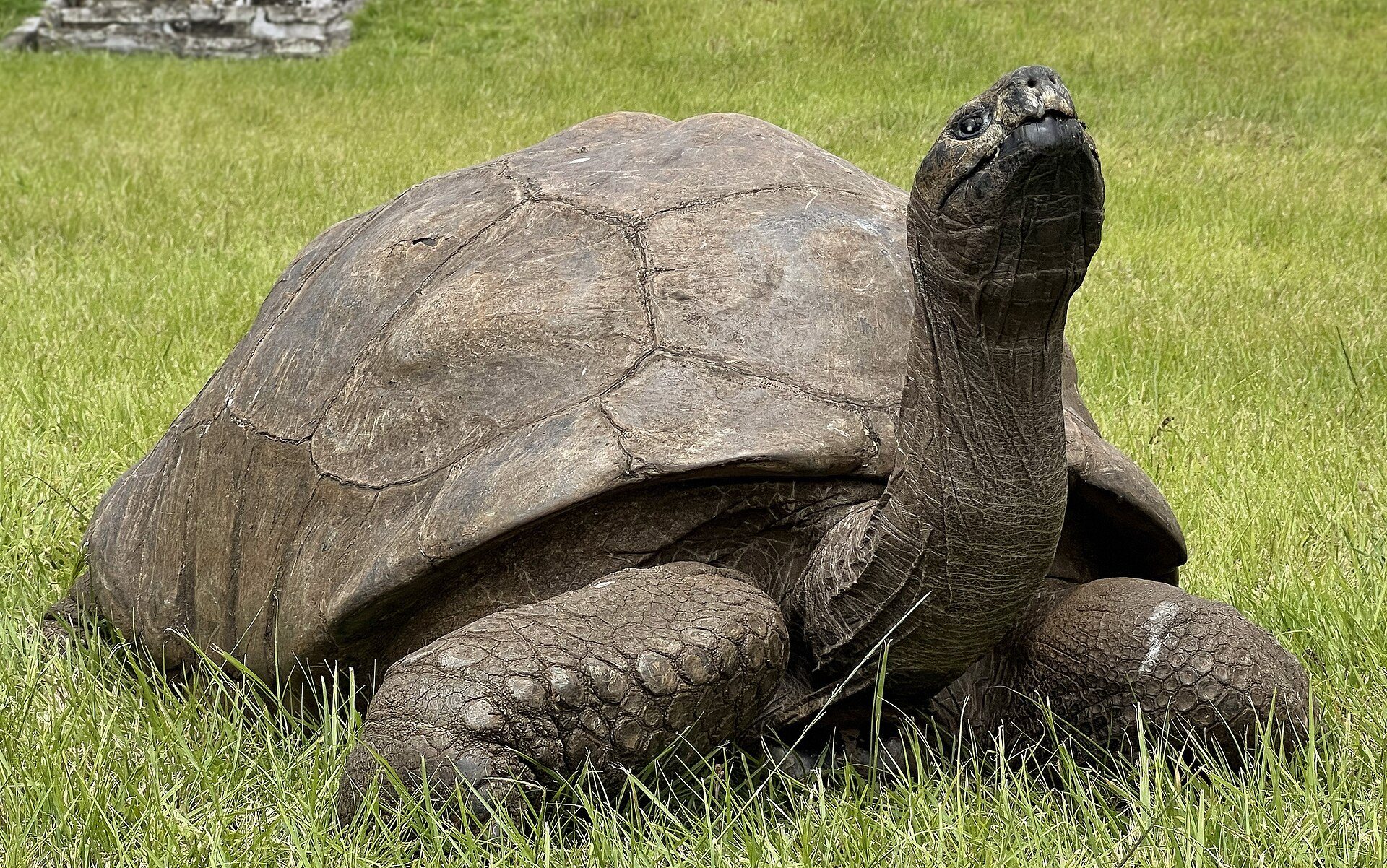
In the 19th-century US and Britain, turtle soup defined luxury dining. America's diamondback terrapin craze crashed the species' population; in the Galápagos, whaling ships carried off giant tortoises by the thousands as living, food-free provisions, extinguishing several island populations. The history of the table is also a history of turtle suffering.
Eating cultures, conserving times
Today the global consensus is clear: if turtles are eaten, they should be farmed ones — wild turtles stay wild. With much of Asia's wild turtle fauna pushed to the brink by food and medicine trades, that line matters more than ever.
In the steam over a maru-nabe you can see both: millennia of food culture, and the wisdom needed to reconcile it with the future.