Feature
Baby Turtle Almanac — Life Begins at Coin Size
Raised by no one, ready from day one. The story of tiny, earnest, surprisingly tough hatchlings.
Smaller than your palm — fingertip-sized
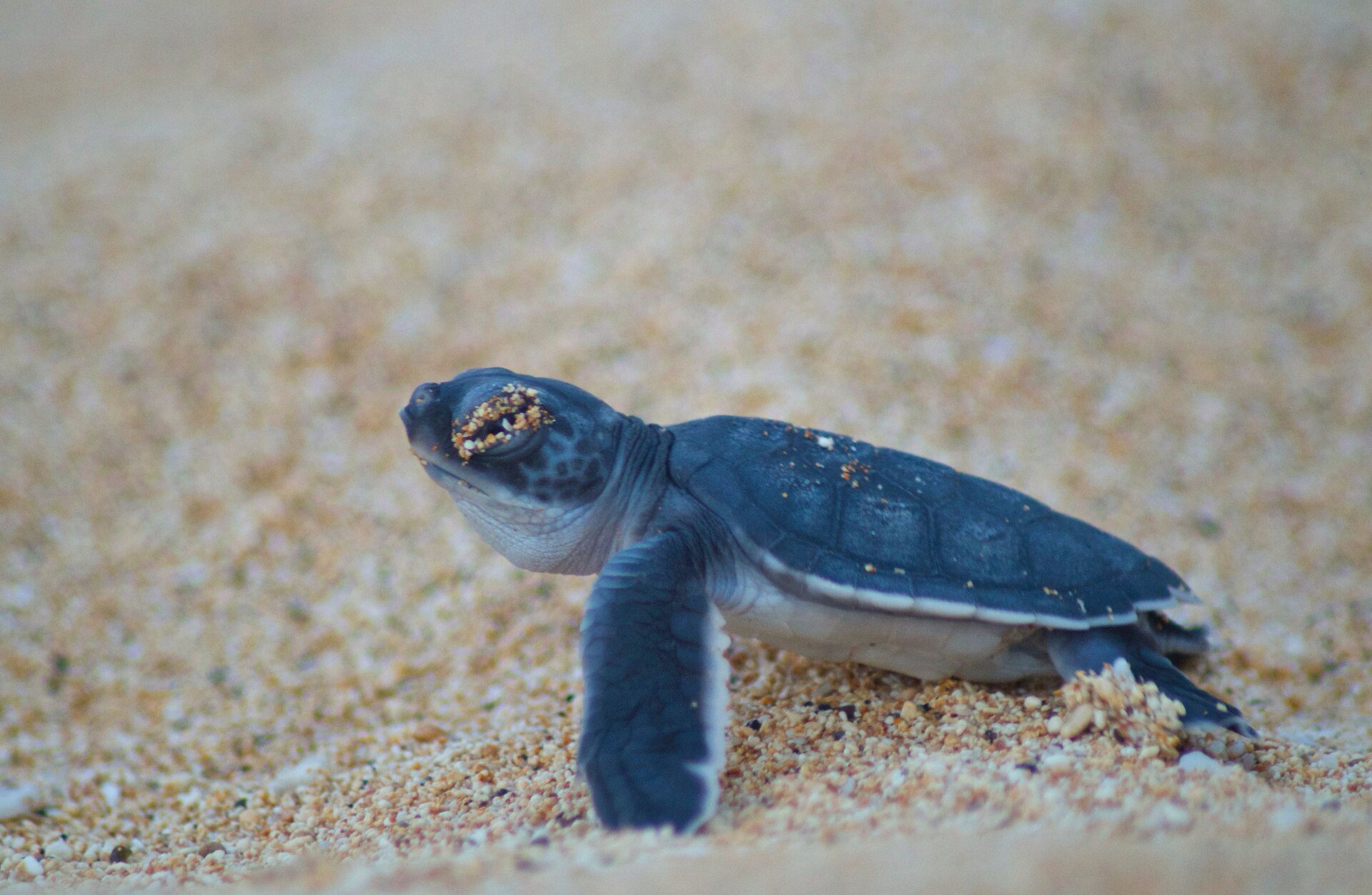
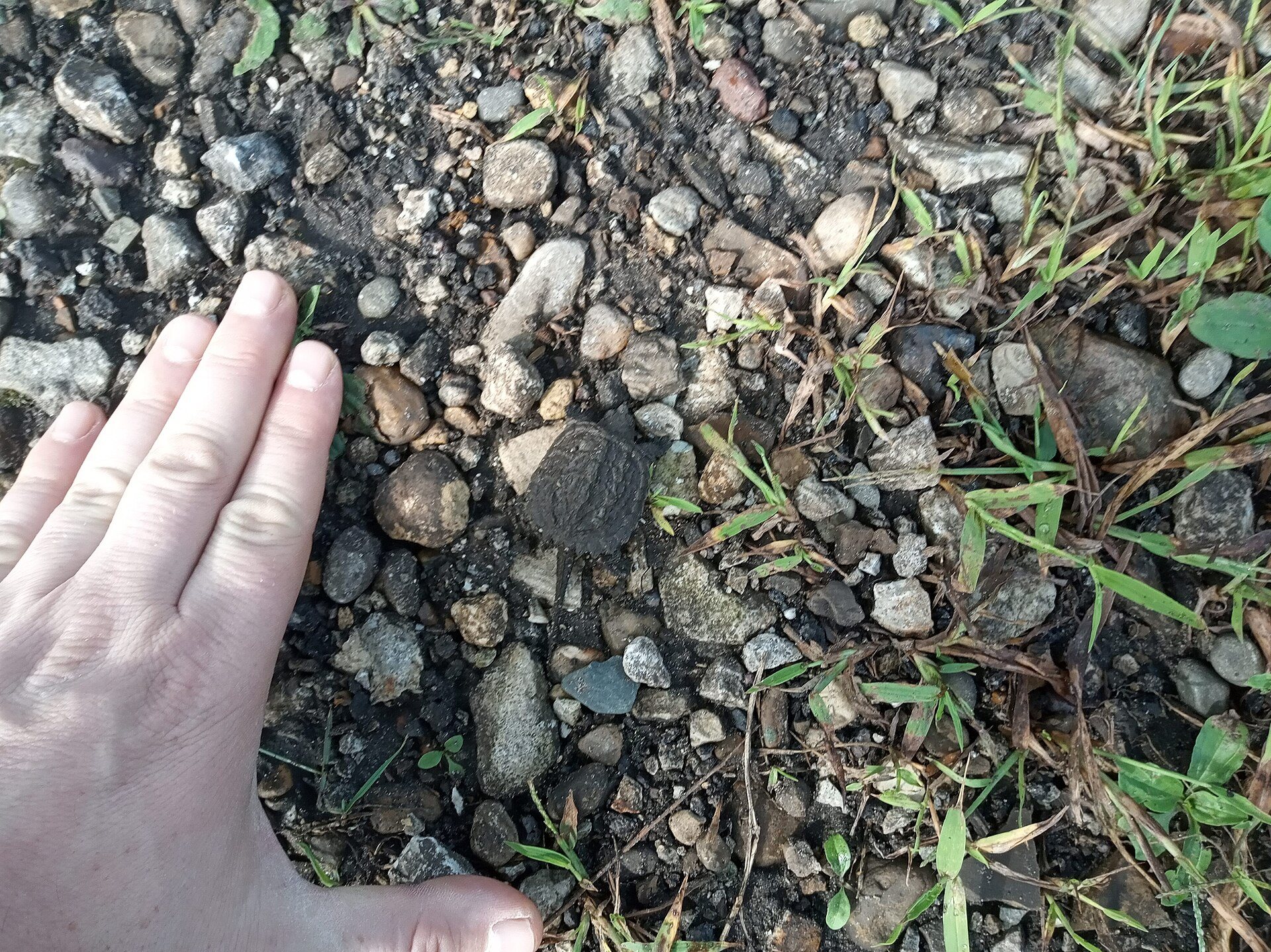
A newborn turtle's shell measures roughly 3–5 cm depending on the species — about the size of a large coin. Even a green sea turtle hatchling is around 5 cm; the meter-long adult all starts here.
Small means adorable, and small means vulnerable. Hatchlinghood — hunted by birds, fish, crabs and mammals — is the most dangerous season of a turtle's life.
The egg tooth — a single-use tool
Hatchlings break out of the shell using a tiny bump on the tip of the beak called a caruncle, or egg tooth. It is used exactly once, at hatching, then disappears on its own.
Breaking the shell doesn't mean rushing out. Some hatchlings linger for days, absorbing the last of the yolk sac before emerging. Turtles take their time — even before they're born.
No parenting, by design
Turtle childcare is bracingly simple: lay, bury, leave. The mother chooses and conceals her nest with care, but she never meets her young. From the first moment, hatchlings find food and dodge predators entirely on their own.
Untaught, they know the way to the sea and how to swim — a 200-million-year survival manual comes pre-installed (see the hatchling dash in Sea Turtle Nesting).
Sand temperature decides the sex
In many turtles, sex is set by the temperature of the nest (temperature-dependent sex determination). In sea turtles, warmer sand tends to produce females, cooler sand males.
Which is why climate change strikes at the next generation directly: overheated beaches can skew hatchlings heavily female. Behind the cuteness lies a very current problem.