Feature
Turtles, Money & Stamps — The Economics of Shells
Europe's earliest coins bore a sea turtle. From coin-turtles to turtle stamps to the philosophy of slow savings.
The first coins were turtles
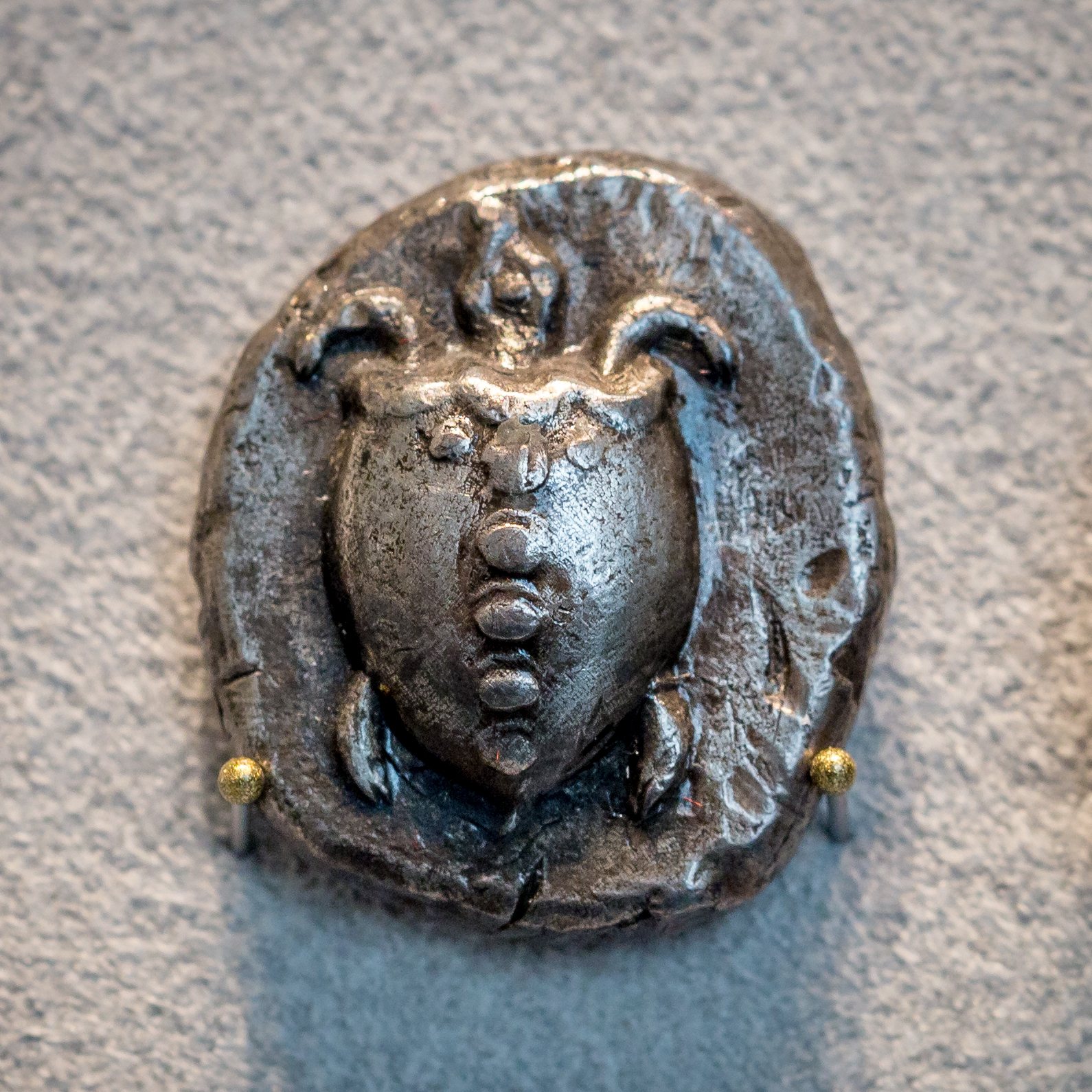
In the 6th century BC, the Greek island of Aegina was among the first places in Europe to mint coins. What this maritime power stamped on its silver was — a sea turtle.
The 'turtles' circulated widely across the Mediterranean, and the coins themselves came to be called chelone — turtles. At the very doorway of European money, there stands a turtle.
Japan's coin turtle
Edo-period Japan made its own link between turtles and money: hatchlings whose little shells resembled coins were called zenigame — 'coin turtles' — and kept as charms for financial luck (see the Dictionary of Turtle Names).
The feeling that caring for turtles brings fortune — blended from Buddhist merit and ten-thousand-year longevity lore — survives today in every turtle charm sold at temple stalls.
Turtles on stamps
Turtles are stars of philately, too. Countries with nesting beaches around the world have proudly issued sea turtle stamps, and Japan has featured turtles in its nature conservation series.
Collecting only turtle stamps turns out to be a surprisingly rigorous hobby, cutting across world geography and endangered species lists. Each little paper turtle is an ambassador for its country's seas.
Turtle financial philosophy
One stretch, knowingly indulged: the turtle's investment strategy is compound interest. No haste, no losses, time as an ally — Jonathan at 190 embodies the overwhelming power of time multiplied by persistence.
The tortoise-and-hare moral is quoted in investing circles verbatim. Slow is strong. Putting a turtle on the first coins may have been exactly the right call.