Feature
Traveling to Meet Turtles
From nesting beaches to city ponds, Hawaiian sands to the Galápagos. The world contains more places to meet turtles than you think.
To the nesting beaches — Yakushima, Tokushima, Wakayama
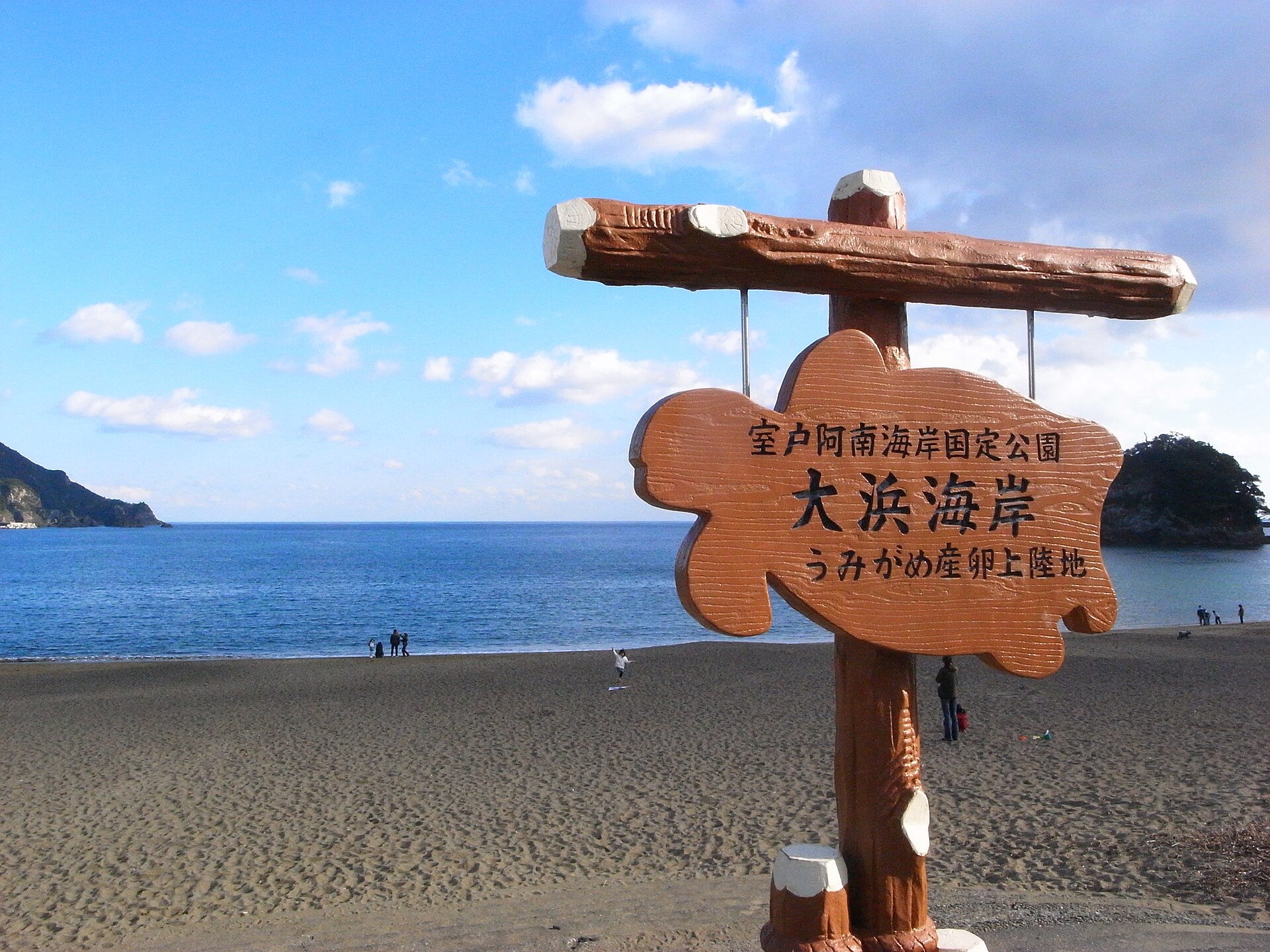
In early summer, Japan's beaches host nesting mothers: Nagata Beach on Yakushima (Japan's largest loggerhead rookery), Ohama Beach in Minami, Tokushima — home of the Caretta sea turtle museum — and Senri Beach in Minabe, Wakayama. Always visit through official observation programs (see our nesting feature).
Aquarium turtles — Nagoya, Churaumi and Kiho
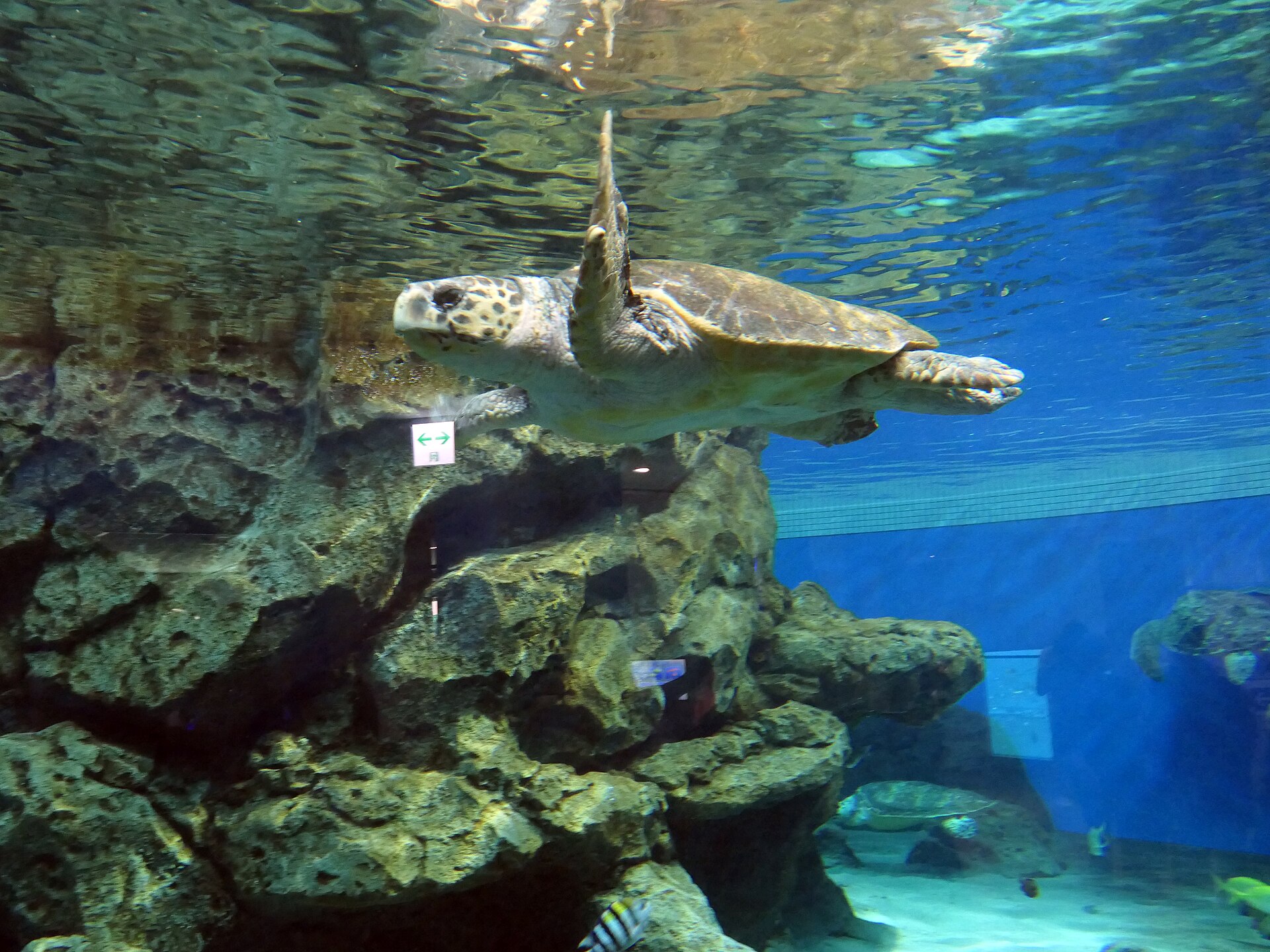
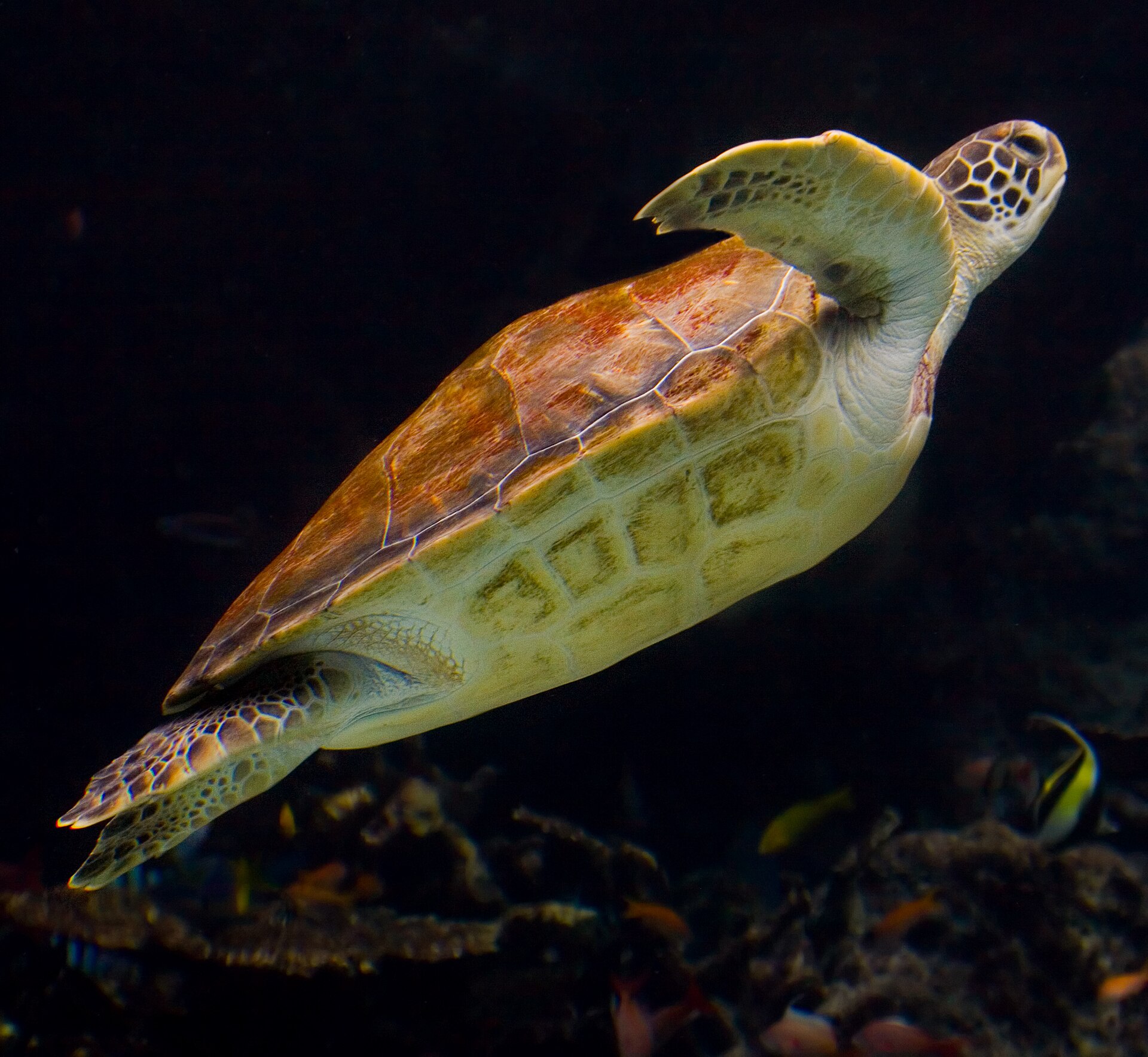
For a guaranteed meeting in any season, try an aquarium. The Port of Nagoya Public Aquarium is known for its sea turtle research, and its big tank — complete with an artificial beach — puts cruising loggerheads right in front of you.
At Okinawa's Churaumi Aquarium, the Sea Turtle Pavilion in Ocean Expo Park keeps several species in pools overlooking Emerald Beach.
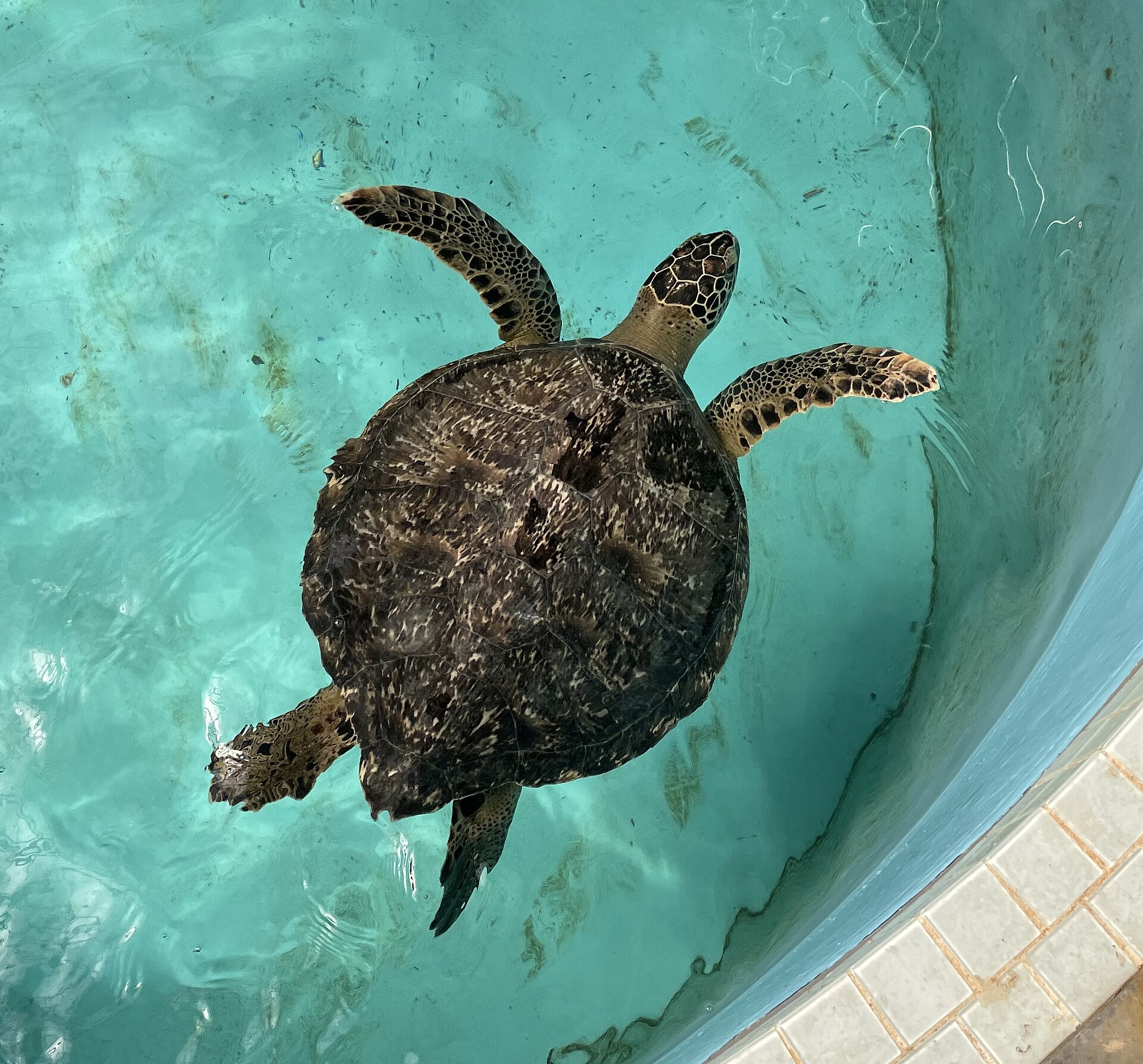
And a hidden gem: Kiho Umigame Park, a roadside station in Kiho, Mie Prefecture with its own sea turtle aquarium — a conservation and education hub where you can drop in mid-journey to watch turtles cruise a big pool, including the rarely exhibited black sea turtle. The town's Ida Beach is a loggerhead nesting ground; this is a whole town looking after its turtles.
Turtles in the city — ponds, moats, temples
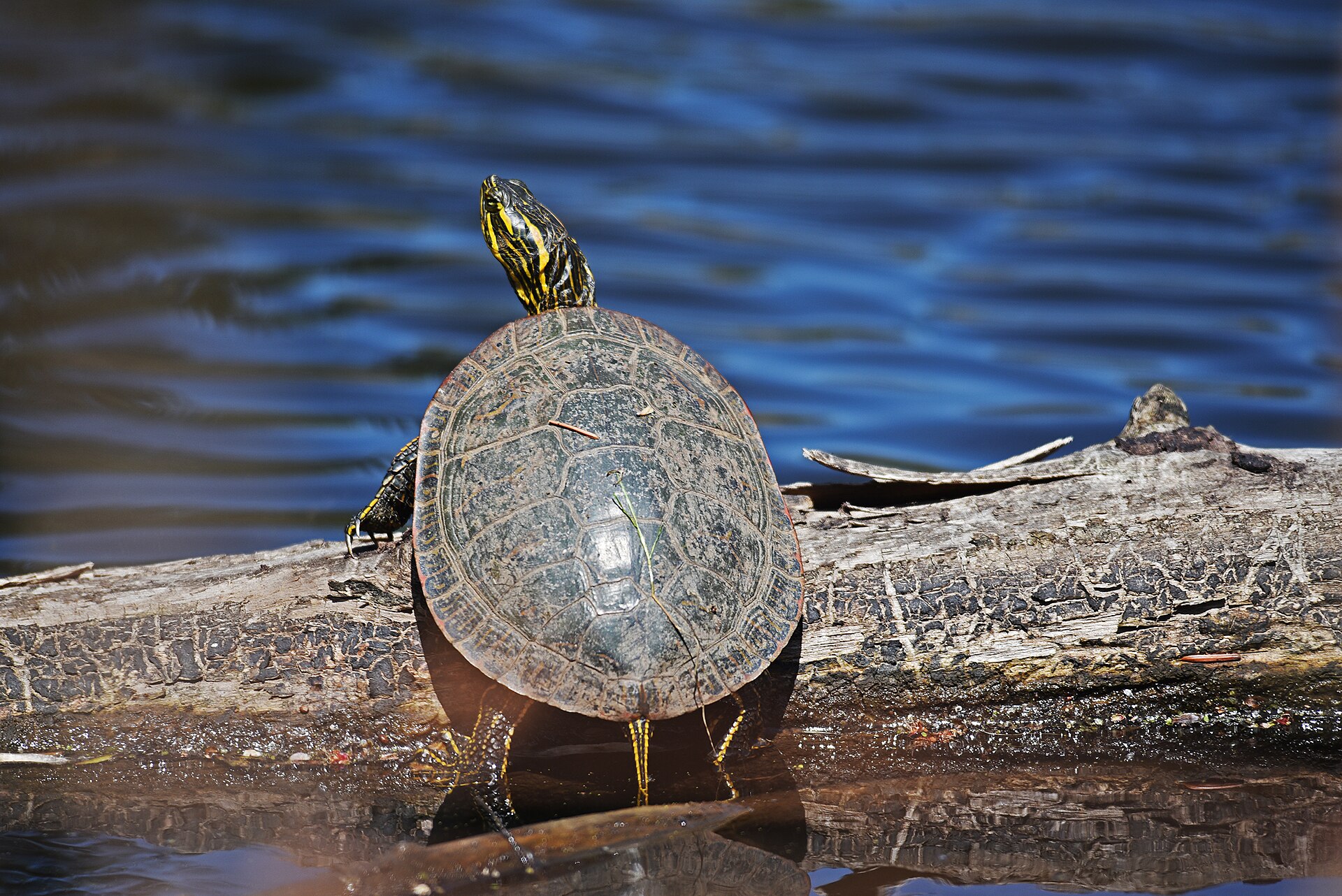
You don't have to travel far. In Tokyo, the pond at Kameido Tenjin shrine — famous for its wisteria — is a turtle paradise, as are Shinobazu Pond in Ueno and castle moats nationwide (see Turtles & Castles).
Osaka's Shitennōji temple has a literal 'Turtle Pond' teeming with basking residents — a legacy tangled up with hōjō-e, the Buddhist rite of releasing animals to earn merit.
Hawaii — island of the honu
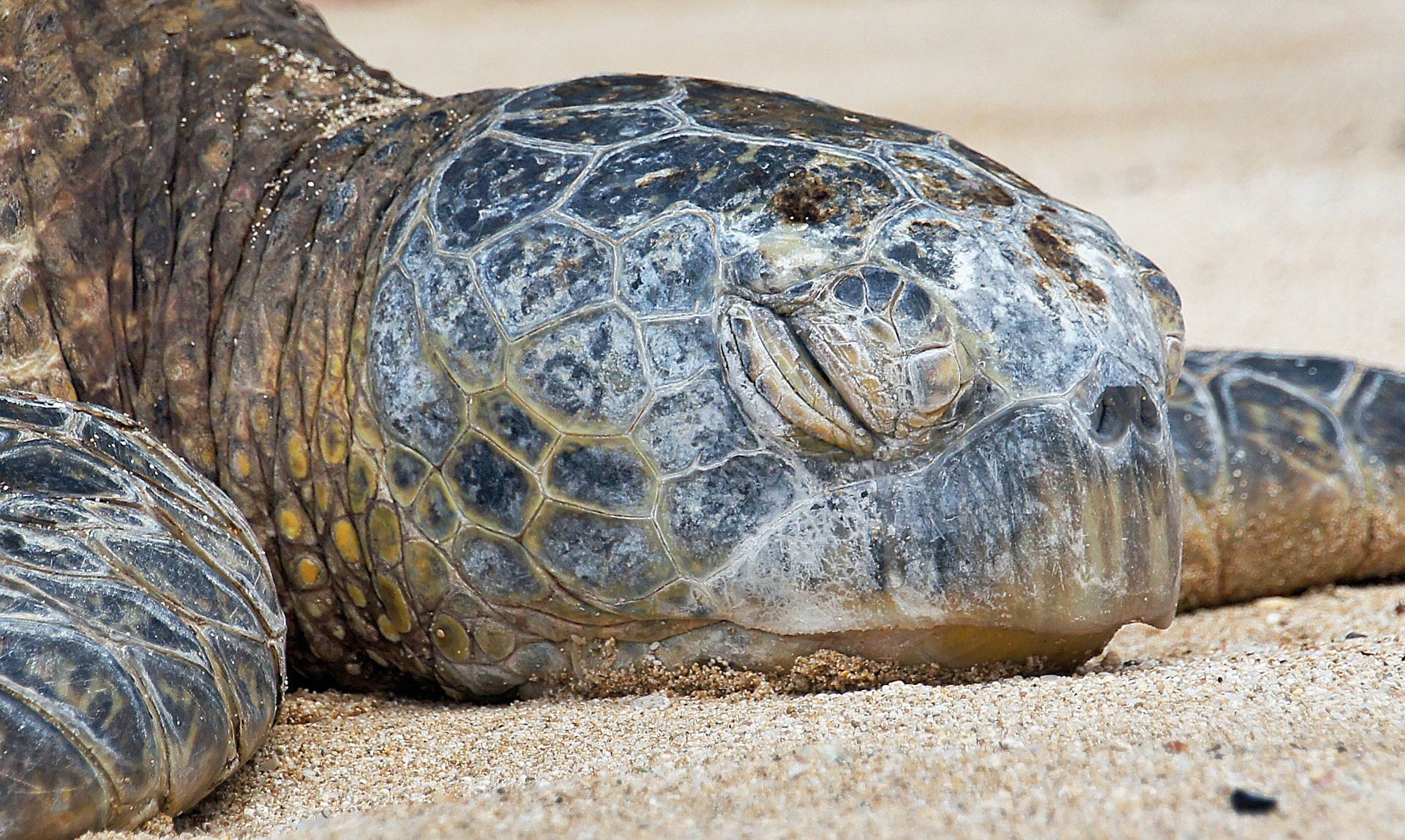
In Hawaii the green sea turtle is the honu, a symbol of good luck and guardianship. On Oahu's North Shore, honu haul out onto the sand in broad daylight for a nap.
They are protected by state and federal law: no touching, no crowding, with volunteers watching over the beaches. Admiring a sleeping honu from a respectful distance is the Hawaiian way of meeting a turtle.
Galápagos and Seychelles — islands of giants
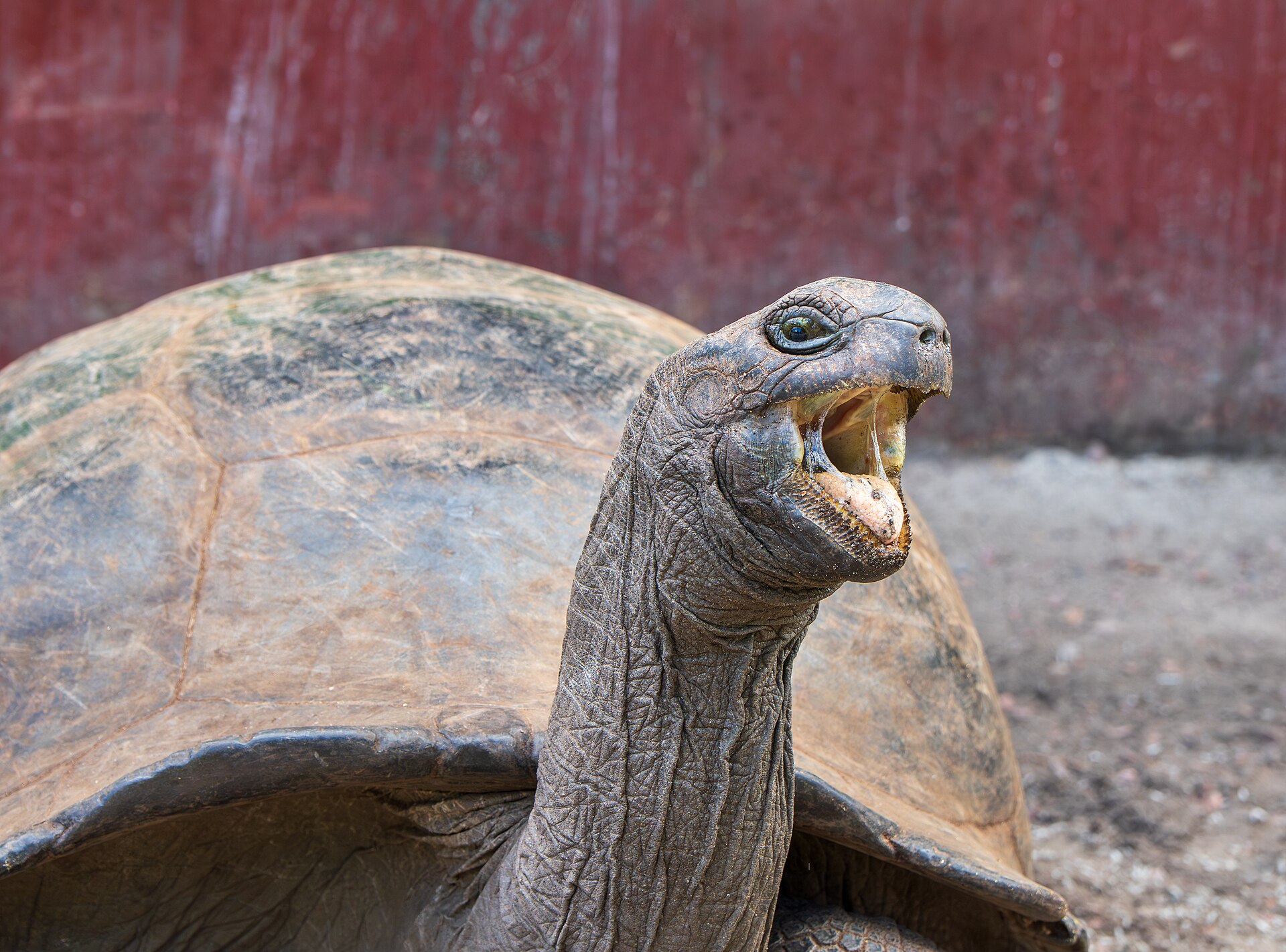
The Galápagos remain the ultimate pilgrimage: the tortoises that hinted evolution to Darwin still roam the misty highlands, their shells shaped differently island by island — a fact that hits differently in person than on a page.
For the Indian Ocean, the Seychelles host the world's largest population of Aldabra giant tortoises, with semi-wild individuals on Praslin and elsewhere. It is also the homeland of Jonathan, the world's oldest land animal.
Liuqiu, Taiwan — the easiest sea turtle snorkel
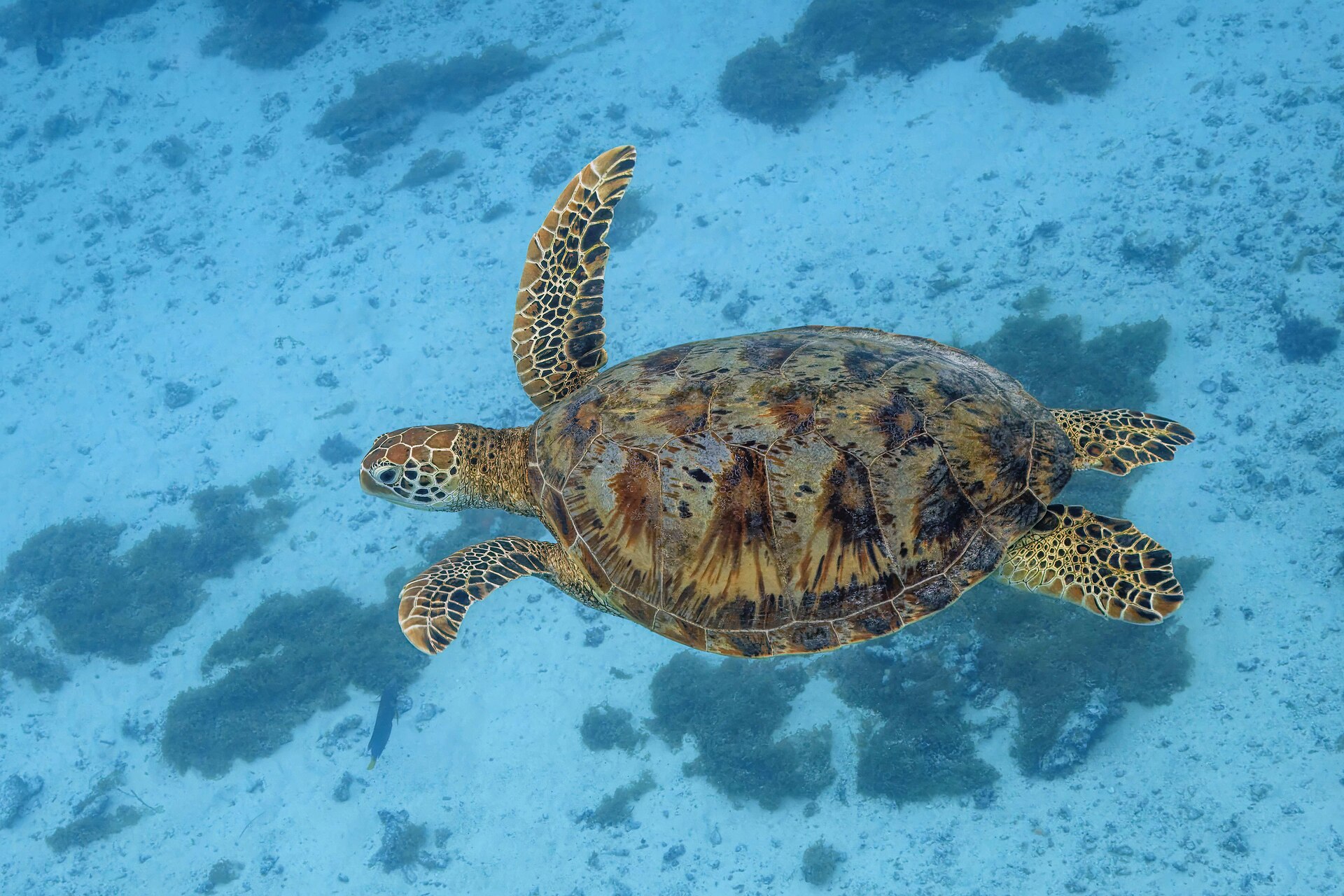
A few hours from Japan lies Liuqiu (Lambai Island), Taiwan — famous for resident green turtles and some of the most reliable turtle snorkeling anywhere.
The rules are the same everywhere: don't chase, don't touch, don't block. You are a guest in their living room.
Meet them by live cam — zero travel required
On nights you can't travel, there are live cameras. Japan's Kushimoto Marine Park in Wakayama streams sea turtle nesting and hatching on YouTube (3–4 nights a week from mid-August during hatchling season, announced on their official X). You might witness hatchlings emerging from the sand, live.
Overseas, Florida's Clearwater Marine Aquarium runs a free webcam on its sea turtle rehab pool (occasionally offline for maintenance). Japan's evening is Florida's morning — you can watch a rescue turtle's breakfast on the other side of the planet before bed.
The turtle traveler's code
Keep your distance, keep your lights off, never feed, and wash your hands afterward. Follow those four rules and turtle travel is a hobby with no downside.
And when you get home, look up the turtle you photographed in this encyclopedia. That's the Kamepedia way to finish a trip.